



LIMK1
LIM domain kinase 1 (LIMK1) is a serine/threonine kinase that regulates actin cytoskeleton dynamics through phosphorylation of cofilin, controlling actin filament turnover and dendritic spine morphology in neurons[1][2][3]. Mechanistically, LIMK1 acts downstream of Rho-associated kinases (ROCK1/2) and Rac1-Pak1 signaling pathways, integrating extracellular cues into cytoskeletal remodeling[2][4]. LIMK1 participates in neuronal plasticity, memory formation, and synaptic stability, with dysregulation contributing to neurodegenerative diseases such as Alzheimer's disease and neurodevelopmental disorders including Fragile X Syndrome[1][5][2][3]. In cancer models, LIMK1 enhances β-catenin nuclear translocation in cooperation with CDK5, promoting metastatic potential in esophageal, gastric, and lung cancers[6]. Compared with its homolog LIMK2, LIMK1 displays distinct tissue expression, preferentially in neuronal tissues, and exhibits unique substrate specificity, particularly in dendritic spine regulation[1][5]. Selective inhibition of LIMK1 by small molecules such as damnacanthal or MDI-114215 reduces cofilin phosphorylation, restores actin dynamics, and attenuates pathological cellular behaviors in both neuronal and cancer models, demonstrating its utility as a pharmacological tool[5][7]. Therefore, LIMK1 serves as a critical nodal regulator linking cytoskeletal remodeling to disease pathogenesis, enabling experimental modulation of synaptic structure, cancer cell invasion, and therapeutic screening[2][6].
References:
- [1]. Singh R, et al. Pharmacophore-based virtual screening, molecular docking and molecular dynamics simulations study for the identification of LIM kinase-1 inhibitors. J Biomol Struct Dyn. 2023 Aug-Sep;41(13):6089-6103. [Content Brief]
- [2]. Baldwin AG, et al. Discovery of MDI-114215: A Potent and Selective LIMK Inhibitor To Treat Fragile X Syndrome. J Med Chem. 2025 Jan 9;68(1):719-752. [Content Brief]
- [3]. Henderson BW, et al. Pharmacologic inhibition of LIMK1 provides dendritic spine resilience against β-amyloid. Sci Signal. 2019 Jun 25;12(587):eaaw9318. [Content Brief]
- [4]. Li SJ, et al. LIMK1 as a Novel Kinase of β-Catenin Promotes Esophageal Cancer Metastasis by Cooperating With CDK5. Adv Sci (Weinh). 2025 Aug;12(29):e03223. [Content Brief]
- [5]. Ohashi K, et al. Damnacanthal, an effective inhibitor of LIM-kinase, inhibits cell migration and invasion. Mol Biol Cell. 2014 Mar;25(6):828-40. [Content Brief]
- [6]. Rabezanahary H, et al. Live virus neutralizing antibodies against pre and post Omicron strains in food and retail workers in Québec, Canada. Heliyon. 2024 May 21;10(10):e31026. [Content Brief]
- [7]. Zhou WK, et al. The abnormal phosphorylation of the Rac1, Lim-kinase 1, and Cofilin proteins in the pathogenesis of Hirschsprung's disease. Bioengineered. 2022 Apr;13(4):8548-8557. [Content Brief]
All Product Categories
-
LIMK1 Related Products (22)
Related Products (22)

- 1
- 2
-
GLPG3312
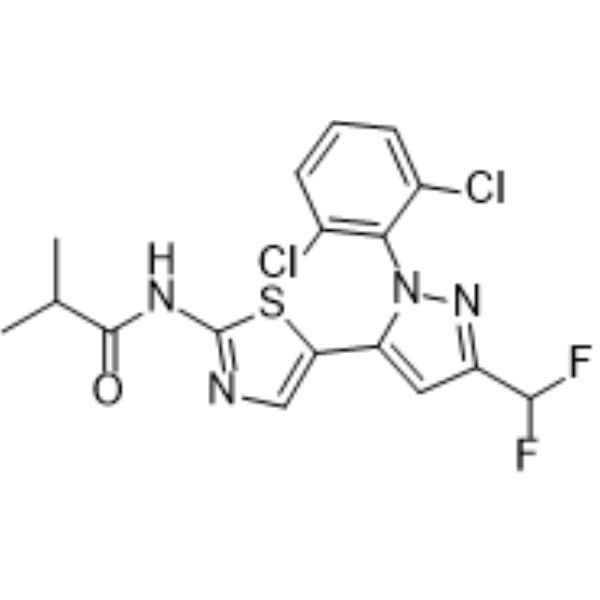
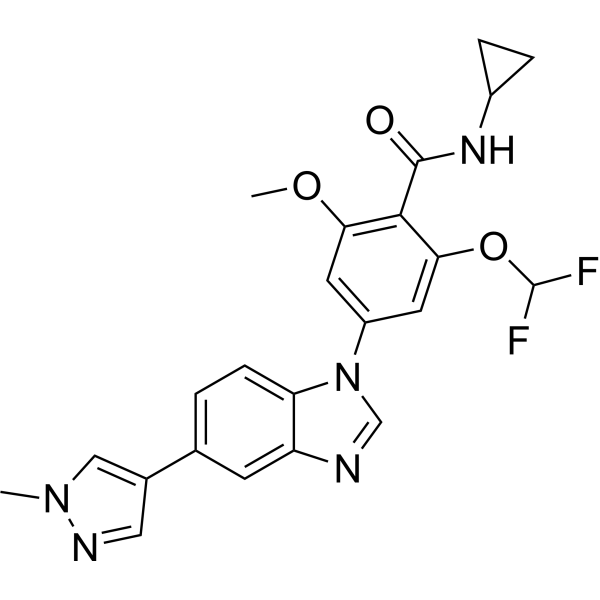 0 ImagesGLPG3312 (Compound 28) is an orally active SIK inhibitor with IC50 values of 2.0 nM, 0.7 nM and 0.6 nM for SIK1, SIK2 and SIK3, respectively. GLPG3312 exhibits anti-inflammatory and immunomodulatory activity in vitro on human primary myeloid cells and in vivo in mouse models. GLPG3312 has good oral bioavailability and can be used for research on inflammatory and immune diseases.
-
SM1-71
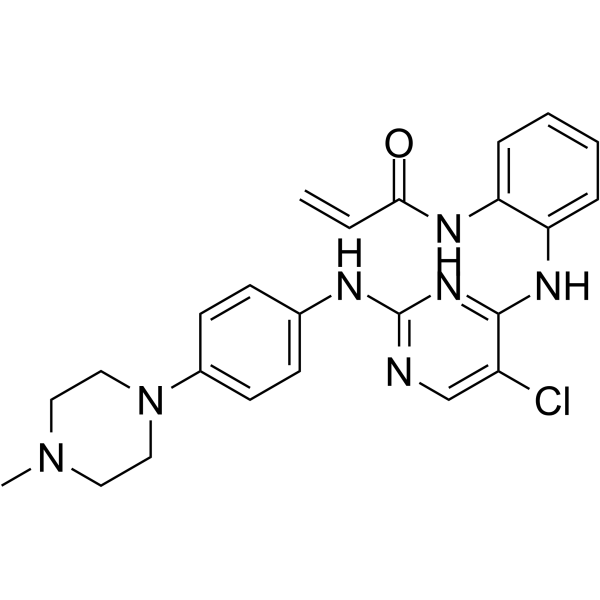 0 ImagesCat. No.: HY-136848CAS No.: 2088179-99-9
-
TH-257
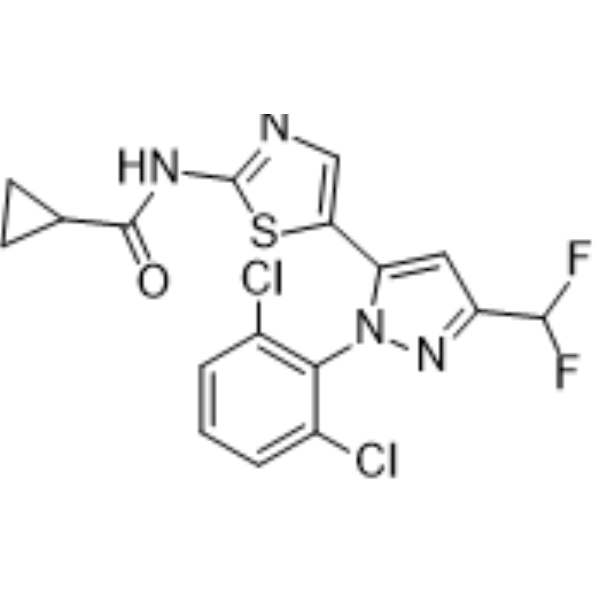
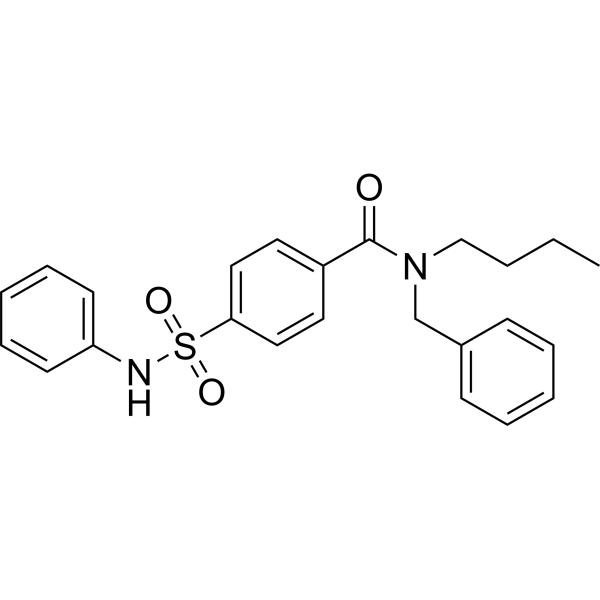 0 ImagesTH-257 is a potent inhibitor of LIMK1 and LIMK2 with IC50 values of 84 nM and 39 nM for LIMK1 and LIMK2, respectively, and it can be used as a chemical probe for LIMK1 and LIMK2. TH-257 is an allosteric inhibitor targeting a binding pocket induced by an αC and DFG-out conformation. TH257 is exquisitely selective and no significant activity against the wider kinome has been observed in the KINOMEscan assay at 1 μM.
-
DB1113
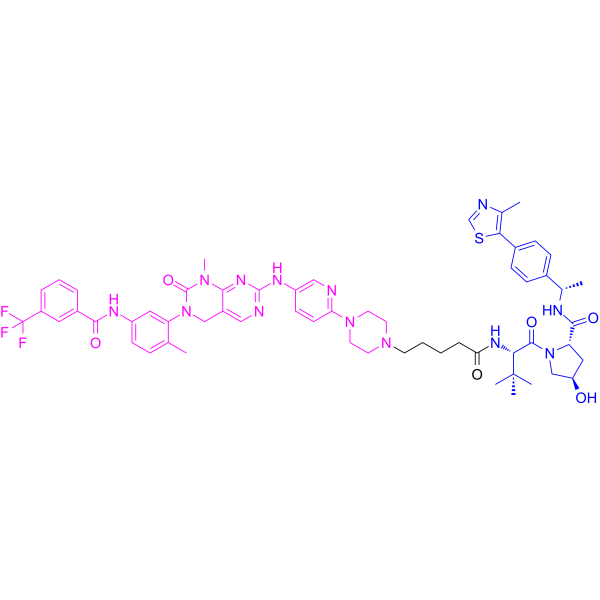 0 ImagesDB1113 is a multi-kinase PROTAC degrader. DB1113 induces the ubiquitination and degradation of ABL1, ABL2, BLK, CDK11B, CDK4, CSK, EPHA3, FER, GAK, LIMK1, MAP3K20, MAP4K1, MAP4K2, MAP4K3, MAP4K5, MAPK14, MAPK7, MAPK8, MAPK9, MAPKAPK2, MAPKAPK3, NLK, PDIK1L, PTK2B, RIPK1, RPS6KA1, RPS6KA3, SIK2, SIK3, STK35, TNK2, and ULK1. DB1113 can be used to study diseases or disorders mediated by aberrant kinase activity.
-
TH251
 0 ImagesCat. No.: HY-125444CAS No.: 1622059-04-4TH251 is a LIMK1 and LIMK2 inhibitor with IC50s of 52 nM and 47 nM against LIMK1 and LIMK2, respectively. TH251 binds to inactive αC-out and DFG-out LIMK1 conformations, inhibits unphosphorylated LIMK1 and LIMK2 enzymatic activity, and exhibits unchanged potency despite PAK-mediated phosphorylation of either kinase. TH251 can be used for the research of cancers, glaucoma, and CNS diseases.
-
LIMK1-IN-3
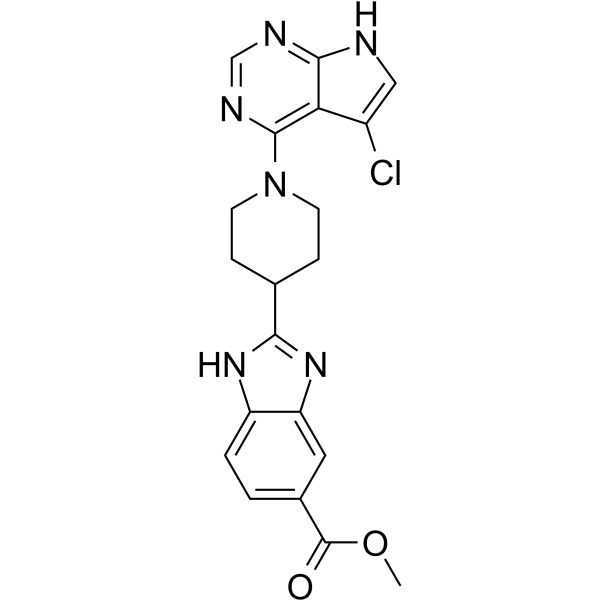
 0 ImagesCat. No.: HY-W150222CAS No.: 4994-89-2LIMK1-IN-3 is a LIMK1 inhibitor with an IC50 of 4.4 μM. LIMK1-IN-3 shows potential for use in cancer-related research.
-
TH470
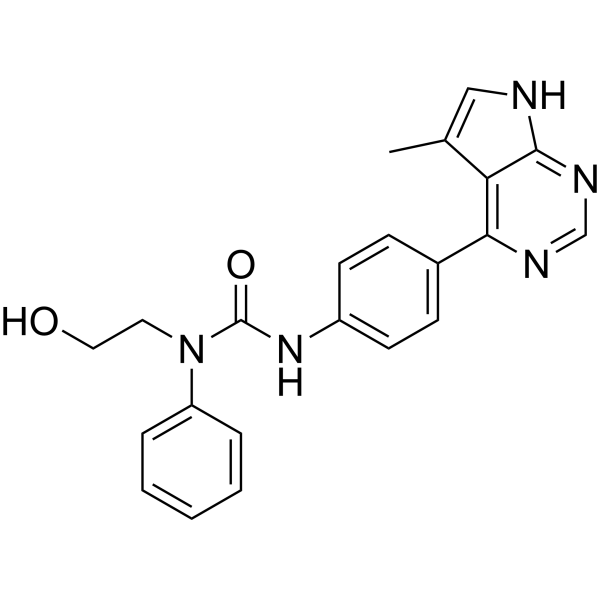
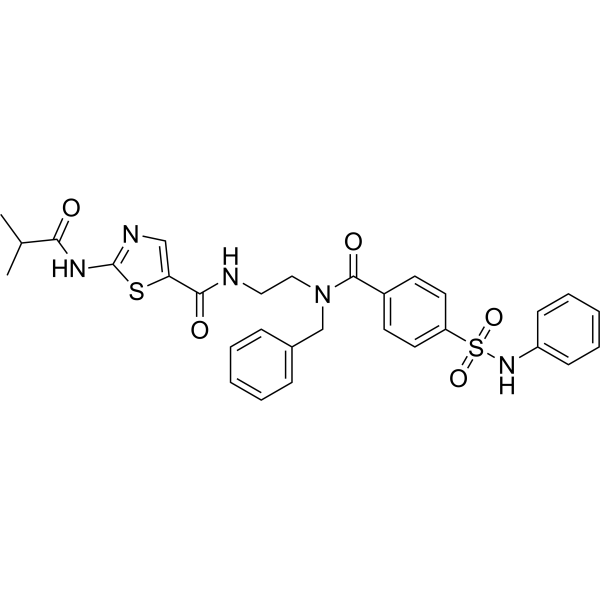 0 ImagesTH470 is a highly selective LIMK1/2 (LIM kinase1/2) inhibitor (LIMK1 IC50=9.8 nM; LIMK2 IC50=13 nM), and can be used in orphan disease research.
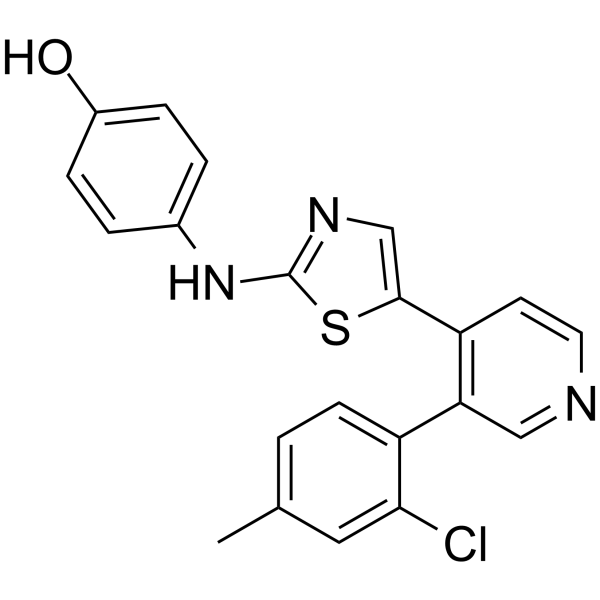
-
LIMK1 inhibitor BMS-4
 0 ImagesLIMK1 inhibitor BMS-4 is a LIM Kinase (LIMK) inhibitor targeting to LIMK1/2. LIMK1 inhibitor BMS-4 inhibits phosphorylation of cofilin, the LIMK substrate. However, LIMK1 inhibitor BMS-4 is noncytotoxic on A549 cells.
-
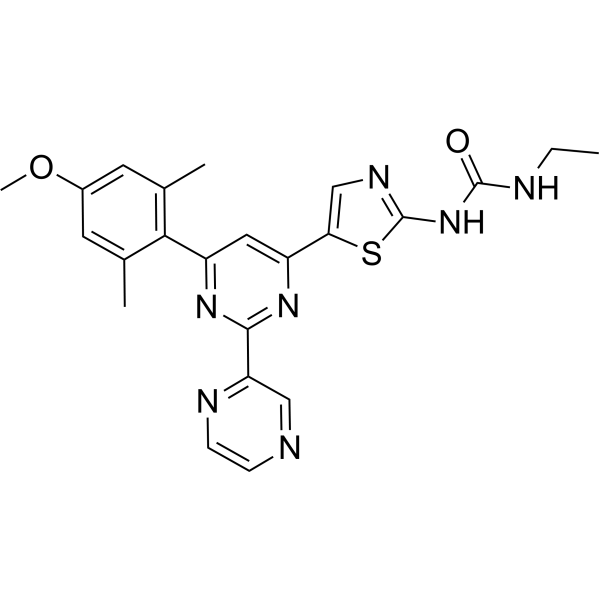
LIMK-IN-1
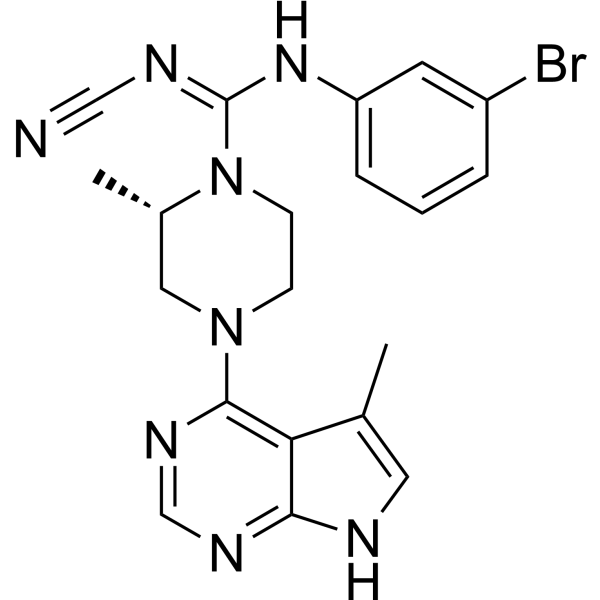 0 ImagesLIMK-IN-1 (Compound 14) is an inhibitor of LIM-Kinase (LIMK), with IC50s of 0.5 nM and 0.9 nM for LIMK1 and LIMK2, respectively. LIMK-IN-1 can be used for ocular hypertension and associated glaucoma research.
-
MDI-117740
 0 ImagesMDI-117740 is a dual LIMK1/2 inhibitor. MDI-117740 shows effective cellular target engagement with LIMK1 (pIC50 = 6.73) and LIMK2 (pIC50 = 7.18) in HEK293 cells. MDI-117740 exerts significant anti-migratory activity in MDA-MB-231 cells. MDI-117740 can be used for the study of cancers and neurodegenerative disorders.
-
SM311
 0 ImagesCat. No.: HY-174229Purity: 98.68%SM311 (Compound 10), a chemical probe, is a potent selective irreversible LIMK1 inhibitor (EC50=0.045 μM, >30-fold selective over LIMK2). SM311 blocks cofilin phosphorylation and actin cytoskeleton regulation. SM311 is promising for research of neurodegenerative diseases like Fragile X syndrome (FXS) and Alzheimer’s disease, as well as tumor invasion.
-
8β,9α-Dihydroxylindan-4(5),7(11)-dien-8alpha,12-olide
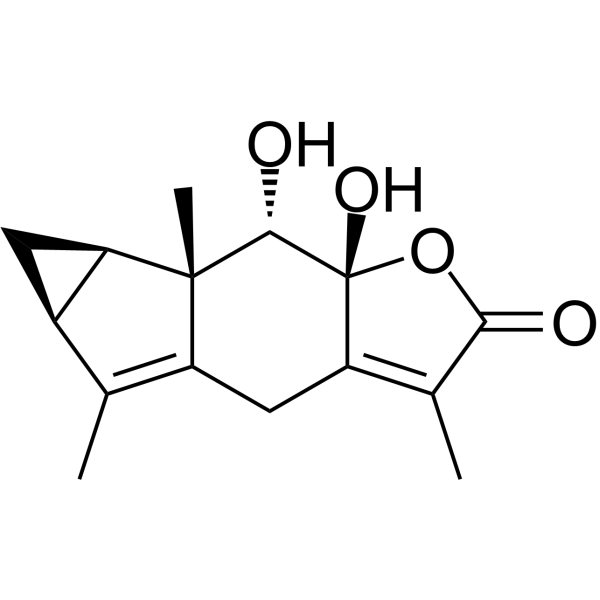 0 ImagesCat. No.: HY-N10868CAS No.: 956707-04-38β,9α-Dihydroxylindan-4(5),7(11)-dien-8alpha,12-olide (compound 3), a sesquiterpene, has anti-LIMK1 activity. 8β,9α-Dihydroxylindan-4(5),7(11)-dien-8alpha,12-olide has inhibitory property on cell motility.
-
CPS-021
 0 ImagesCat. No.: HY-174247CPS-021 is a selective PAK4 PROTAC degrader with a DC50 of 50 nM. CPS-021 degrades PAK4 via the ubiquitin-proteasome system. CPS-021 inhibits the migration and invasion of tumor cells, suppresses TGFβ-induced epithelial-mesenchymal transition (EMT) in tumor cells, and can be used in studies related to lung cancer metastasis.
-
S3 peptide TFA
 0 ImagesCat. No.: HY-P12114Purity: 98.19%S3 peptide is a multifunctional synthetic peptide that acts as a LIMK1 inhibitor with an IC50 of 40 μg/mL. S3 peptide blocks cofilin phosphorylation and SDF-1α (HY-P4911)-induced T cell chemotaxis, and reduces viral particle production of HIV-1 and M-PMV. S3 peptide forms dimers via intermolecular disulfide bonds to bind and disrupt LPS micelles, exerting anti-Gram-negative bacterial activity. S3 peptide serves as a targeting moiety for NKA α1 and is used for the construction of PET tracers. S3 peptide is applicable to research related to HIV-1 infection, M-PMV infection, breast cancer, liver cancer and non-small cell lung cancer.
-
LIMK1 inhibitor 1
 0 ImagesCat. No.: HY-169605CAS No.: 332904-10-6LIMK1 inhibitor 1 (compound 24) is a LIMK1 inhibitor. LIMK1 inhibitor 1 can be used in anti-cancer research.
- 1
- 2



